
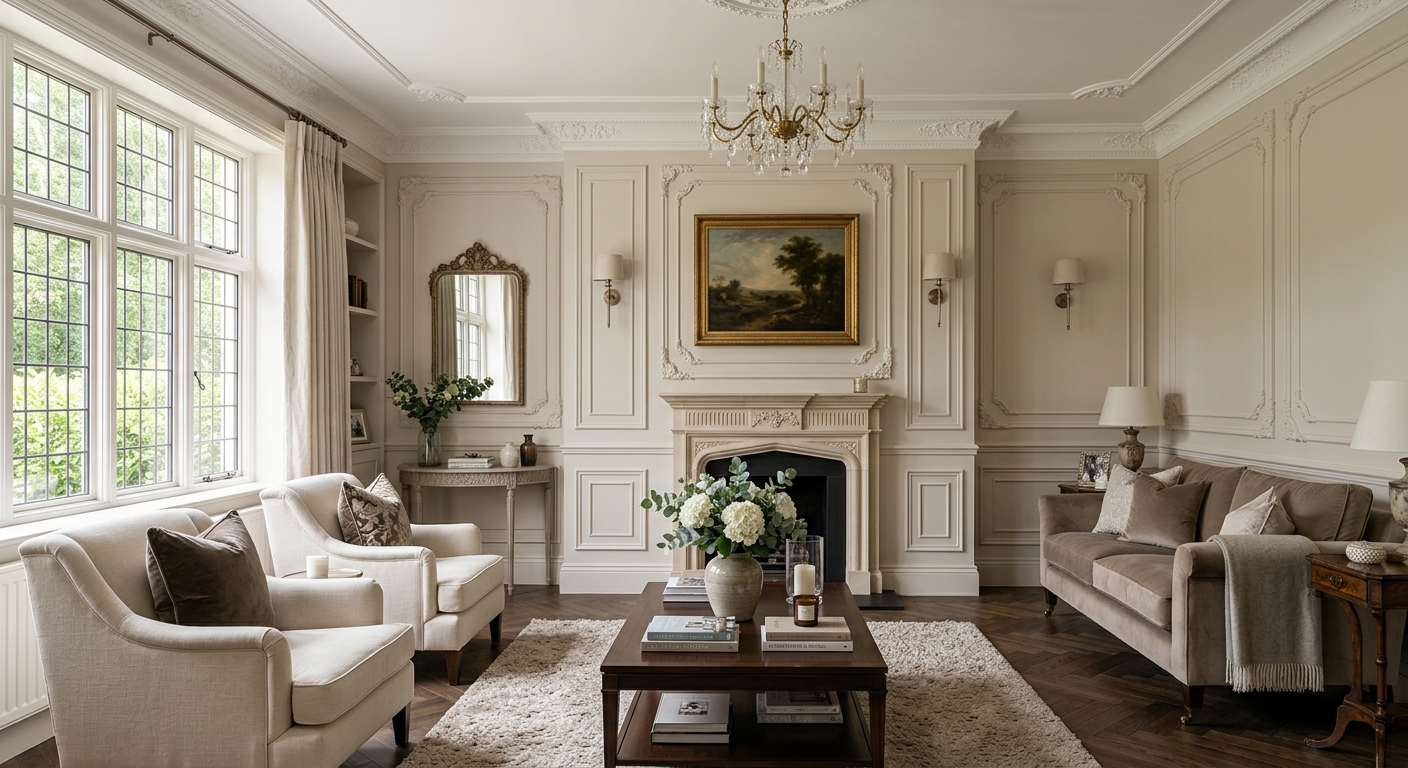
Symmetry is one of the most effective ways to create a balanced and visually appealing interior. When decorative elements are arranged with consistent proportions and spacing, a room often feels more organized, elegant, and comfortable. Wall frames are an excellent way to introduce this sense of balance while adding architectural interest to plain surfaces. With careful planning, decorative molding can transform an ordinary wall into a sophisticated feature that complements the entire room.
Using picture frame wall molding allows homeowners to create structured patterns that suit different interior styles, from traditional living rooms to contemporary bedrooms. Rectangular or square frames can be arranged in symmetrical compositions, helping establish visual harmony around furniture, artwork, fireplaces, or other architectural features. The key is to select suitable dimensions and maintain consistency throughout the design.
Understanding Symmetry in Wall Design
Symmetrical wall framing involves arranging decorative panels so that both sides of a composition appear balanced. This does not always mean every frame must be identical, but the overall arrangement should feel visually even. For example, three equally sized rectangular frames positioned along a living room wall can create a simple and orderly appearance.
In larger spaces, multiple rows of frames may provide additional depth and structure. Matching the widths and heights of corresponding panels helps maintain consistency. In smaller rooms, fewer frames can achieve the same effect without making the wall look crowded.
Symmetry works particularly well in formal living rooms, dining areas, entrance halls, and bedrooms. It can also help emphasize a central feature, such as a fireplace or a decorative console table.
Planning the Layout Before Installation
Accurate measurements are essential when creating symmetrical wall frames. Begin by measuring the full wall width and height, then identify any obstacles, including doors, windows, electrical outlets, and furniture. These details determine how much usable space is available for the molding arrangement.
Next, establish the central point of the wall. Use this reference to position the frames evenly on both sides. Maintaining consistent gaps between panels and equal distances from the wall edges creates a more professional appearance.
Painter's tape can be useful for marking the proposed layout before installation. Step back and review the arrangement from different positions in the room. This makes it easier to identify panels that appear too narrow, oversized, or poorly aligned.
It is also important to consider the ceiling height. Taller frames can emphasize vertical proportions in rooms with high ceilings, while wider, shorter panels may suit spaces with lower ceilings.
Selecting the Right Decorative Molding
The molding profile influences the character of the finished design. Simple, flat profiles are suitable for modern interiors, where clean lines and understated details are preferred. More decorative profiles can introduce traditional elegance and complement classic furniture, detailed woodwork, and formal furnishings.
The width of the molding should correspond to the size of the wall and the frames. Narrow profiles often work well in compact rooms, while wider options can provide greater visual presence on expansive surfaces. Coordinating the molding with existing baseboards, door casings, and ceiling trim helps maintain a consistent interior style.
Color is another important consideration. Painting the molding the same color as the wall creates a subtle, integrated effect. A contrasting shade highlights the individual frames and makes the decorative pattern more prominent.
Creating Symmetry Around Furniture
Wall frames should complement the objects placed in front of them. In a living room, a centered arrangement above a sofa can establish a strong focal point. In a bedroom, symmetrical panels behind the headboard can create a calm and balanced atmosphere.
For entryways, matching frames on either side of a mirror or console table can make the space feel more welcoming. However, the molding should not compete with important furniture pieces or artwork. Maintaining appropriate spacing between these elements keeps the design visually comfortable.
Achieving a Professional Finish
Before attaching the molding, double-check every measurement and confirm that the corners align correctly. A level helps maintain straight lines, while careful cutting produces clean joints. Consistency is especially important in symmetrical designs because small errors can become noticeable across repeated panels.
Ultimately, symmetrical wall frames combine thoughtful planning with decorative craftsmanship. By balancing proportions, maintaining uniform spacing, and selecting suitable molding profiles, homeowners can create elegant walls that enhance their interiors. A well-designed arrangement provides lasting visual appeal without overwhelming the room's existing character. How Wall Molding Can Frame Art, Furniture and Architectural Details
#StavrosDecor #DecorativeMolding #InteriorDesign