
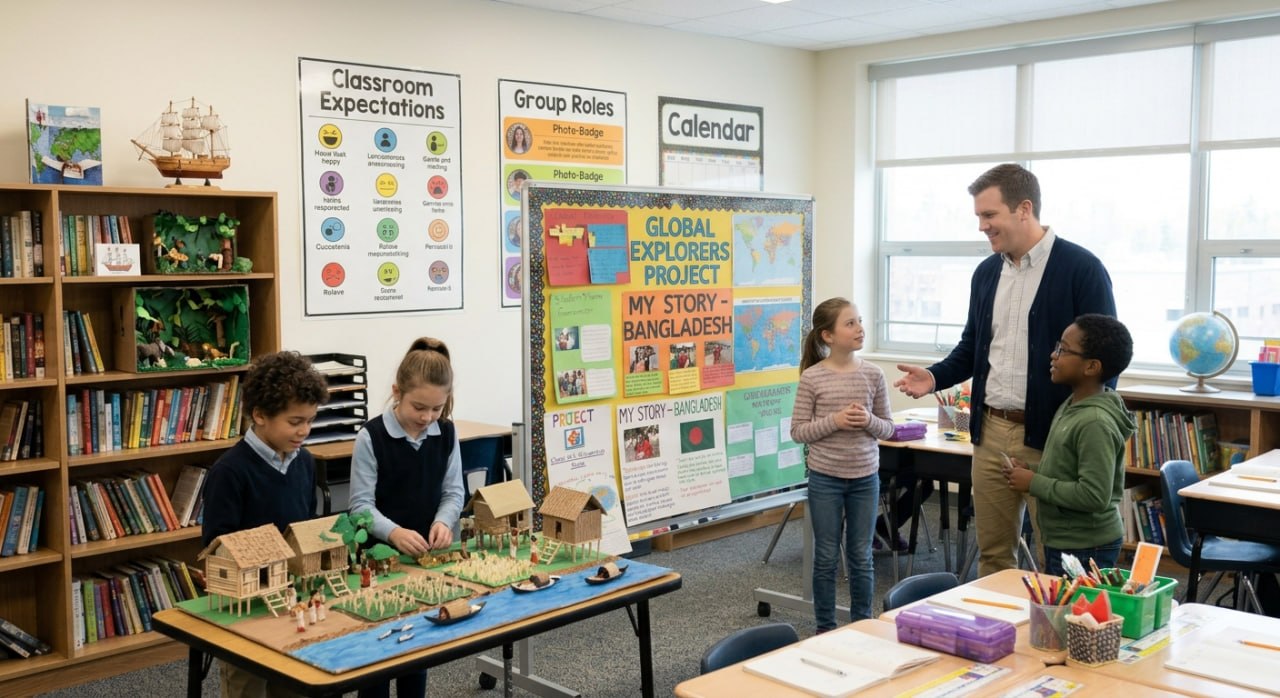
Managing a classroom can be challenging, especially when some students frequently interrupt lessons, refuse to follow instructions, or struggle to interact positively with their classmates. Every student has different learning needs, personalities, and emotional responses. Therefore, teachers need patience, flexibility, and practical approaches to maintain a positive learning environment. Rather than focusing only on correcting unwanted behavior, educators should understand what causes it and find constructive ways to address it. Using effective classroom management strategies for difficult students can help teachers build stronger relationships, encourage positive behavior, and create a classroom where everyone feels respected and supported.
Understand the Reasons Behind Student Behavior
One of the first steps toward managing challenging behavior is understanding why it happens. Some students may act out because they find lessons difficult, feel overlooked, struggle with social interactions, or have trouble expressing their emotions. Others may become disruptive when they are bored or do not understand classroom expectations.
Teachers should observe student behavior and identify possible patterns. For example, does a student become restless during lengthy lessons or interrupt others when working in groups? Recognizing these situations can help educators make appropriate adjustments. Instead of immediately punishing students, teachers should try to understand their needs and respond with suitable guidance.
Establish Clear and Consistent Classroom Rules
Students are more likely to behave appropriately when they understand what is expected of them. Teachers should establish a few simple classroom rules at the beginning of the academic year and explain why they matter. Rules should cover important areas such as respecting others, listening during lessons, completing assignments, and following instructions.
Consistency is equally important. If a teacher allows certain behaviors one day but punishes them the next, students may become confused. Applying classroom expectations fairly helps develop trust and encourages students to take responsibility for their actions.
It is also helpful to involve students in creating classroom rules. When they participate in the process, they may feel more responsible for maintaining a respectful learning environment.
Build Positive Relationships With Students
A strong teacher-student relationship can make a significant difference in classroom behavior. Students are more willing to cooperate when they feel that their teachers genuinely care about them. Simple actions, such as greeting students by name, listening to their concerns, and showing interest in their progress, can help establish trust.
Teachers should also avoid labeling students as difficult or problematic. Negative labels can damage confidence and create unnecessary distance. Instead, focus on individual behavior rather than personality. A student who makes mistakes should still have opportunities to improve and demonstrate positive qualities.
Use Positive Reinforcement
Recognizing good behavior is often more effective than constantly highlighting mistakes. Positive reinforcement encourages students to repeat appropriate actions by acknowledging their efforts and achievements.
Teachers can use verbal appreciation, classroom responsibilities, achievement charts, or small privileges to recognize positive behavior. For example, praising a student for waiting patiently, helping a classmate, or completing an assignment on time can encourage similar actions in the future.
However, rewards should not become the only reason students behave well. Teachers should also explain the importance of respect, cooperation, and personal responsibility.
Make Lessons Interesting and Interactive
Sometimes disruptive behavior occurs because students lose interest in classroom activities. Traditional teaching methods may not engage every learner equally. Incorporating group discussions, educational games, creative assignments, practical demonstrations, and interactive activities can make lessons more enjoyable.
Teachers should also consider different learning abilities and provide appropriate support. Breaking lengthy assignments into smaller tasks can help students who struggle with concentration or organization.
Communicate With Parents and Guardians
When challenging behavior continues, communication with parents or guardians can provide valuable insight. Teachers should discuss concerns respectfully and focus on finding solutions rather than assigning blame.
Working together allows educators and families to maintain consistent expectations and support students more effectively. Regular communication can also help identify improvements and recognize positive changes.
Conclusion
Managing challenging classroom behavior requires patience, consistency, understanding, and effective communication. Teachers should focus on building positive relationships, setting clear expectations, encouraging good behavior, and making learning engaging. Most importantly, every student deserves respect and opportunities to improve. With the right approach, educators can transform classroom challenges into valuable learning experiences and create a supportive environment where all students have the opportunity to succeed.